

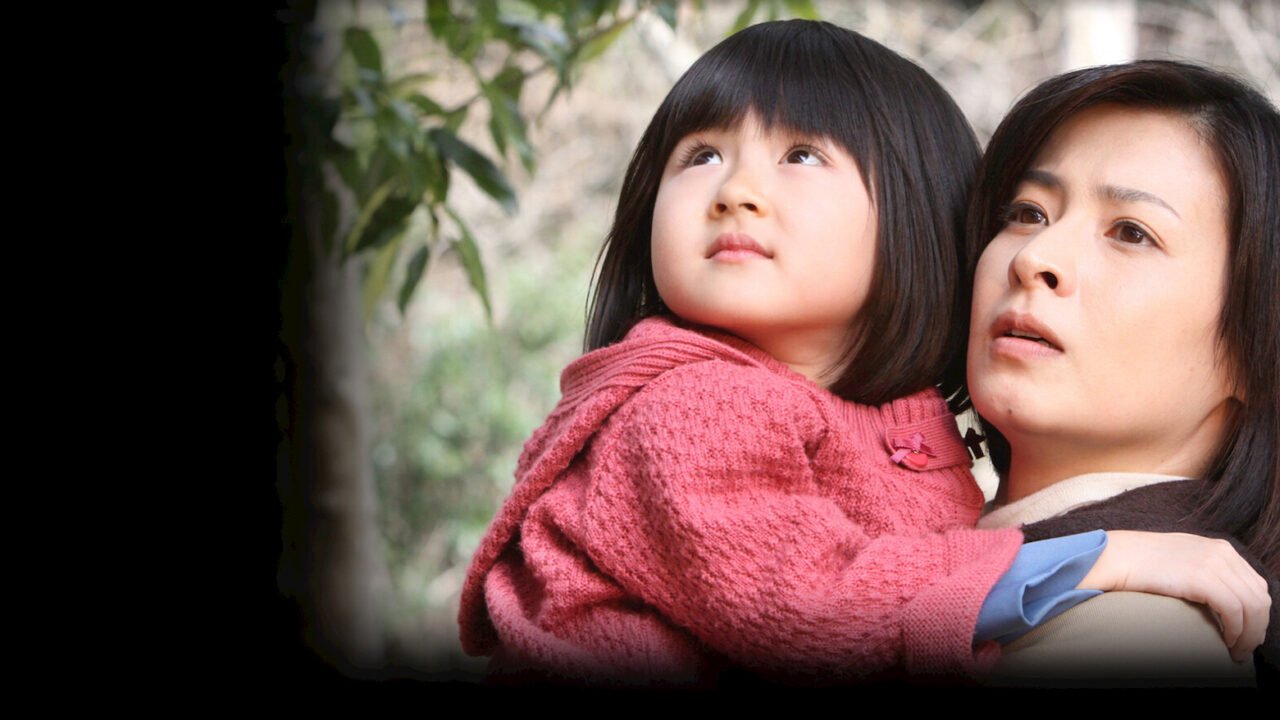
A Japanese drama originally released more than 15 years ago has been given a new opportunity to reach international audiences. The Eighth Day, an NHK production starring Rei Dan, is now available on Netflix with all six episodes.
Originally released in Japan in 2010, the miniseries is based on Mitsuyo Kakuta’s novel Yōkame no Semi and tells a story shaped by motherhood, guilt, loss, and the consequences of a decision that changes several lives.
The novel that inspired the production received the 2nd Chūōkōron Literary Prize in 2007. The television adaptation was also recognized in Japan, winning the Grand Prix at the 27th ATP Awards TV Grand Prix.
What is The Eighth Day about?
The story follows Kiwako Nonomiya, played by Rei Dan, a woman involved in a relationship with Takehiro Akiyama, a married man.
Kiwako becomes pregnant during their relationship but ultimately terminates the pregnancy. She later learns that she will no longer be able to have children. The situation becomes even more painful when Takehiro’s wife gives birth to a baby girl.
Overcome with despair, Kiwako enters the couple’s home intending only to see the child. However, the encounter completely changes the course of her life. She takes the baby with her, begins calling her Kaoru, and decides to raise her as her own daughter.
This marks the beginning of a long escape, during which Kiwako tries to build a life with the girl while hiding her true identity.
The series does not portray their relationship in simple terms. Kiwako commits a crime by kidnapping a child, yet she also develops a profound maternal bond with Kaoru, creating one of the story’s central emotional conflicts.
Netflix describes the production as the story of a woman who kidnaps a baby and raises her as her own daughter until she is eventually found by the police. Years later, the girl must deal with the consequences of what happened and discover her own identity.

A story about motherhood that avoids easy answers
One of the most compelling aspects of The Eighth Day is how difficult it is to place its characters into simple categories.
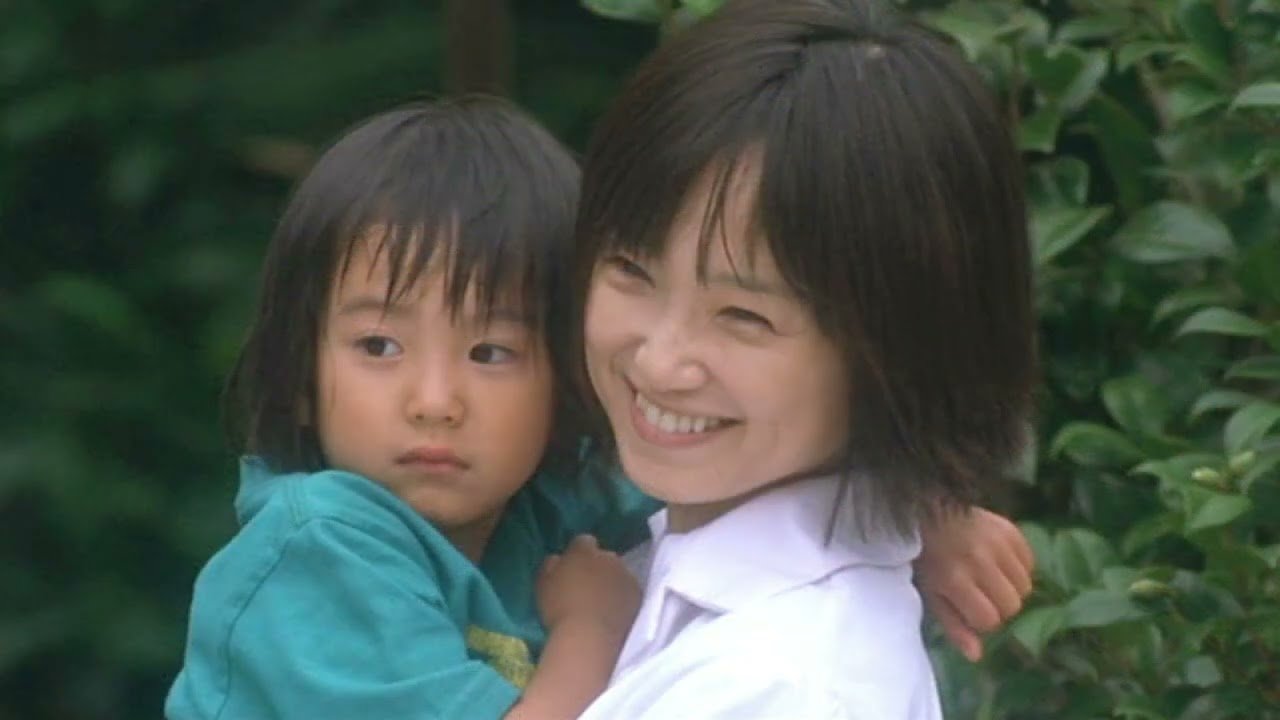
Kiwako is responsible for kidnapping a child, but the series devotes much of its runtime to the emotional bond she develops with Kaoru. To the girl, Kiwako is not initially a kidnapper—she is the only mother she has ever known.
This raises a question that remains at the heart of the story: what truly defines a mother?
The drama explores that question without ignoring the consequences of Kiwako’s actions. As her escape continues, she meets other women, moves through different communities, and tries to maintain the appearance of a normal life while knowing that everything could fall apart at any moment.
An important part of their journey takes place on Shōdoshima, a Japanese island where mother and daughter experience some of their most peaceful moments together.
But that peace cannot last forever.
A photograph of the two eventually puts their identities at risk, and the police finally catch up with Kiwako. In the television adaptation, NHK places her arrest five and a half years after Erina/Kaoru was kidnapped.
The story also follows Kaoru after the kidnapping
The Eighth Day does not end when Kiwako is found.
Years later, the girl, now once again living as Erina Akiyama, must confront the emotional scars left by an extraordinary childhood.
As an adult, she struggles to understand her own past, her relationship with her biological parents, and, above all, her memories of the woman she once believed was her mother.
The story takes on another dimension when Erina herself becomes pregnant, forcing her to reflect on motherhood, abandonment, and what Kiwako gave her during the earliest years of her life.
In the final episode, she returns to Shōdoshima in search of memories from her childhood, bringing the past and present together once again.
What does the title The Eighth Day mean?
The title represents one of the most important symbolic ideas in Mitsuyo Kakuta’s work.
The metaphor comes from a cicada that manages to survive until an “eighth day,” living beyond the time expected of the others. At first, such a cicada might seem destined for loneliness, since all the others would already be gone.
Yet precisely because it has survived, it also has the chance to see a landscape that none of the others ever had the opportunity to witness.
Within the story, this metaphor takes on deeper meaning through the experiences of Kiwako and, especially, Erina. Both endure circumstances that leave them isolated, but continuing to live also gives them the possibility of discovering something beyond the pain that has shaped their lives.
Cast of The Eighth Day
The cast brings together several familiar names from Japanese television and film.
Rei Dan — Kiwako Nonomiya
The story’s protagonist. After losing the possibility of having a child of her own, Kiwako kidnaps her lover’s daughter and raises her under the name Kaoru.
Kie Kitano — Erina Akiyama / Kaoru
She plays the character as an adult, when Erina begins confronting the memories and consequences of her childhood.
Seiran Kobayashi — Kaoru as a child
She portrays Kaoru during the years when the girl believes Kiwako is her real mother.
Kanji Tsuda — Takehiro Akiyama
The married man with whom Kiwako has a relationship.
Yuka Itaya — Etsuko Akiyama
Takehiro’s wife and Erina’s biological mother.
The cast also includes Mitsuko Baisho, Maki Sakai, Atsuko Takahata, Kazuko Yoshiyuki, and Goro Kishitani. Netflix lists Rei Dan, Kie Kitano, and Seiran Kobayashi as the production’s top three billed cast members.
How many episodes does The Eighth Day have?
The Eighth Day has only six episodes, making it a relatively quick watch for viewers looking for a shorter Japanese drama.
On Netflix, the first five episodes run for approximately 43 minutes each, while the final episode is about 46 minutes long.