

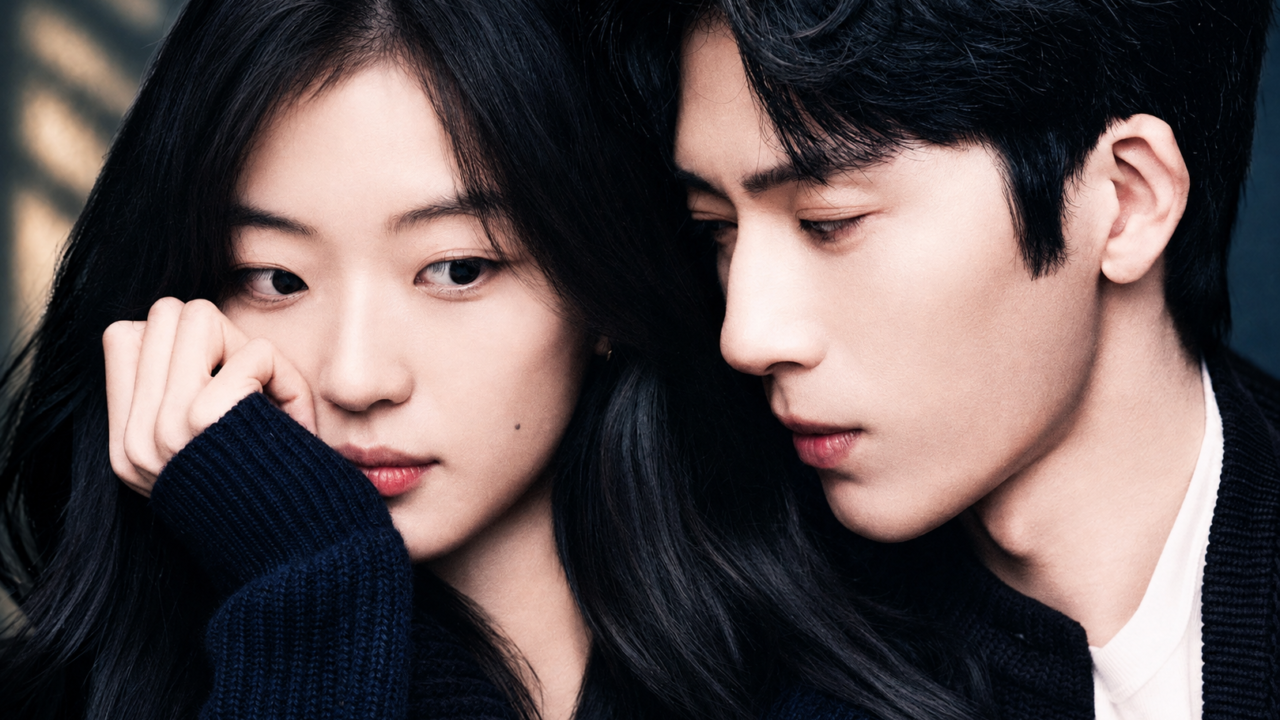
Yes. The Early Spring has a happy ending in the original novel. Shang Zhitao and Luan Nian reunite after a long separation, rebuild their relationship on more equal terms, and ultimately create a life together. The bonus chapters go beyond a simple reunion: they confirm that the couple marries and starts a family.
That answer applies to Gu Niang Bie Ku’s Chinese web novel Zao Chun Qing Lang (早春晴朗), the source material for the series. The screen adaptation starring Sun Qian and Jing Boran is still being released, so the novel reveals the couple’s original fate without guaranteeing that Netflix and Youku viewers will see every event recreated exactly.
Spoiler warning: the following sections reveal the ending of the novel, including the fate of Shang Zhitao and Luan Nian. The television adaptation may change or omit some of these events.
What is the ending of The Early Spring in the book?
In the original novel, Shang Zhitao and Luan Nian end up together. Their reconciliation comes after a long separation, when they no longer occupy the same emotional and professional positions they held at the start of the story. She is no longer the insecure young woman seeking approval at the agency; he can no longer use his talent, status, or emotional coldness to control the distance between them.
The book does not treat their reunion as though a few apologies could erase the past. Luan Nian must acknowledge that he spent years accepting Zhitao’s affection without giving her the security of a truly committed relationship. Zhitao, in turn, only considers getting close to him again after building a life that does not depend on him.
The novel is complete on Jinjiang Literature City. Its official page lists 134 main-story chapters plus extra chapters, for a total of 151. It is this additional material that follows the couple after their reconciliation.

Why does Shang Zhitao leave Luan Nian?
The separation does not happen because Zhitao simply stops loving him. She leaves because she realizes that loving Luan Nian is not enough to make their relationship healthy. For years, they remain secretly involved, without her finding the emotional stability or recognition she expected.
Work makes this imbalance even more painful. Luan Nian is the experienced, respected professional who can influence decisions; Zhitao must prove her worth in an environment that often underestimates her.
As professional problems, misunderstandings, and personal losses pile up, she realizes that staying by his side also means remaining trapped in the version of herself that accepted too little.
Zhitao ends the relationship, leaves Beijing, and returns to her hometown. The decision is difficult, but it marks the moment when the protagonist finally chooses her own life. The distance is not merely a romantic obstacle: it is the step that allows her to mature without living in the shadow of the man she loves.
What happens to Shang Zhitao after the separation?
Away from Luan Nian and her former agency, Shang Zhitao turns her accumulated experience into independence. She opens a restaurant and begins running an events company in her hometown. The woman who reappears years later is not waiting for someone to rescue her or trying to reclaim the job she left behind.
This change is essential to the happy ending. Zhitao needs to discover that she can create opportunities, make decisions, and earn recognition through her own choices. Only then can the romance begin again without repeating the old dynamic of boss and employee, mentor and apprentice, or powerful man and a woman afraid of losing him.
How do Shang Zhitao and Luan Nian get back together?
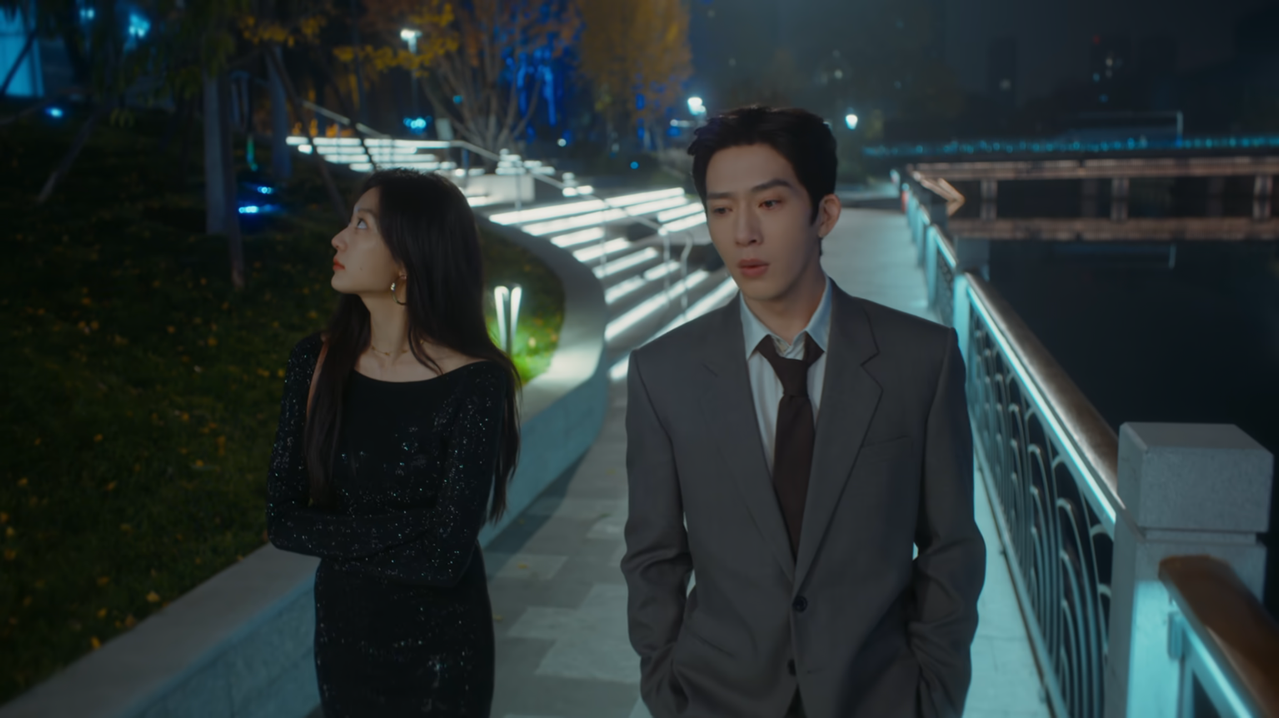
Their reunion takes place in Zhitao’s hometown after years without real contact. Luan Nian feels the weight of her absence and realizes that the relationship he treated as something controllable has become a deep part of his life. Even so, seeing Zhitao again does not mean winning her back immediately.
He must give up the attitude of someone who always has the right answer. Rather than demanding that she return to the place she once held, Luan Nian suggests that they get to know each other again. The idea of starting over matters more than a grand declaration: he finally admits that their old relationship cannot continue from where it left off.
Zhitao does not return out of nostalgia either. She watches to see whether his actions match his words and preserves the autonomy she gained during their separation. Reconciliation becomes possible when they begin talking as adults capable of choosing each other, rather than as people bound by the hierarchy that defined the beginning of their story.
Do Shang Zhitao and Luan Nian get married?
Yes. The extra chapters confirm that Shang Zhitao and Luan Nian get married. The material set after the main story follows the couple’s life after their reconciliation and shows that the happy ending is not limited to a vague promise that they will try again.
The extras also show Zhitao’s pregnancy and the arrival of the couple’s daughter, named Nian Tao. Their dog Luke remains part of the family. The book therefore offers an extensive conclusion: reconciliation, marriage, pregnancy, and family life appear at different points, allowing readers to see what happens after the reunion.
That does not mean every difficulty disappears. Luan Nian’s blunt temperament and Zhitao’s need for independence remain. The difference is that they begin dealing with conflict within an openly acknowledged relationship, in which financial, professional, and family decisions are discussed as shared responsibilities.
Why does the happy ending depend on Zhitao’s independence?
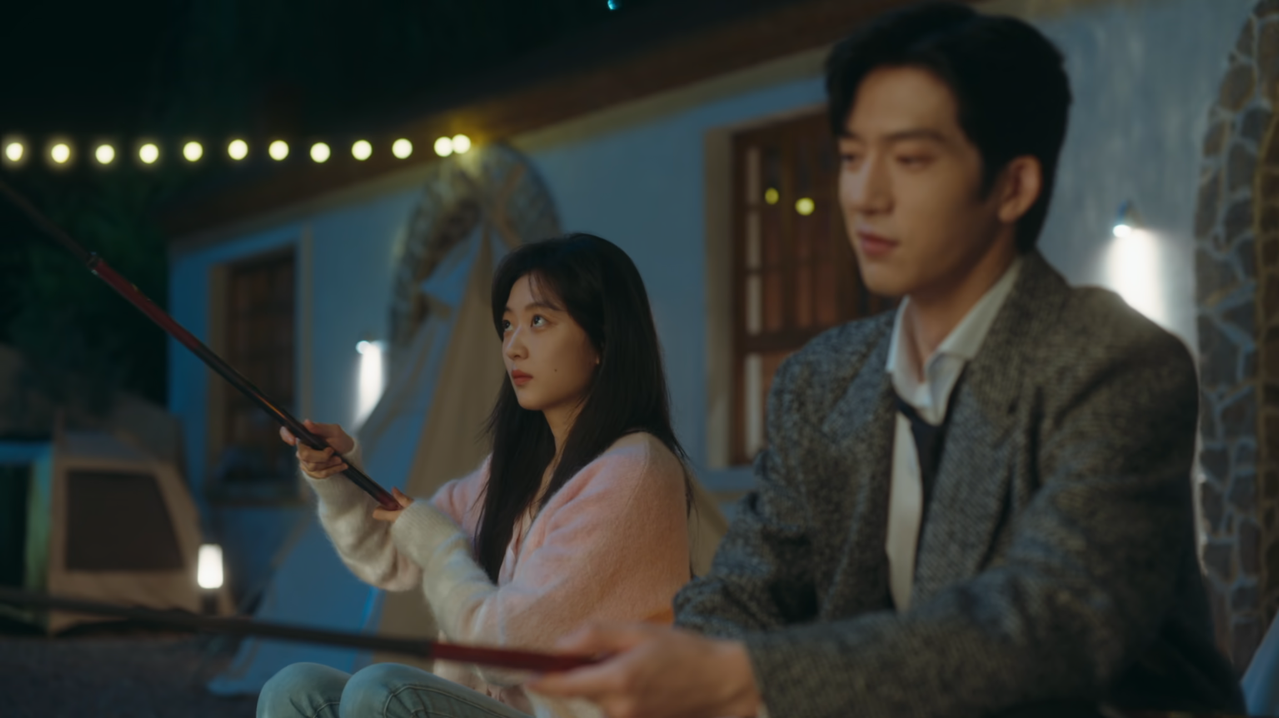
Marriage is not Shang Zhitao’s main reward. The real conclusion to her journey is that she stops measuring her worth by the approval of Luan Nian or the agency. She returns to the relationship only once she has work, projects, and an identity built outside that circle.
That detail completely changes the meaning of their reconciliation. At the beginning, Zhitao loves someone who seems to occupy an unattainable position.
By the end, she can accept or reject Luan Nian without losing the life she has built. That freedom is what turns the couple’s reunion into a happy ending, rather than simply repeating a relationship that had already hurt them both.
Luan Nian must mature as well. The character does not stop being demanding or difficult, but he learns that love does not mean deciding for someone else. To be with Zhitao, he must recognize her career, respect her boundaries, and accept that the relationship only works if both of them can remain whole.
Will The Early Spring C-drama have the same ending?
It is still impossible to say for sure. The series retains Shang Zhitao’s professional growth, the secret relationship, and the couple’s long process of maturity, but it has already changed the tone of key moments. Luan Nian has been humanized earlier, while the attraction between the leads received a more romantic buildup before intimacy.
These changes are detailed in the article The Early Spring: 3 Differences Between the Series and the Book. They show that the adaptation may reach the same destination by a different route—or preserve only some of the events described in the extra chapters.
Until the final episode airs, the safe conclusion is this: the book ends with Shang Zhitao and Luan Nian together, married, and starting a family; the series ending still depends on the adaptation’s choices. This article will be updated after the series concludes to compare the two endings.
Where can international viewers watch The Early Spring?
The Early Spring is available on Netflix in selected international markets and on Youku in China. Availability, episode timing, dubbing, and subtitle options vary by country, so viewers should check their local Netflix catalog for the latest information.
For verified series details and regional streaming information, visit the The Early Spring drama profile. Viewers who want a spoiler-light introduction can also read our guide to the main cast of The Early Spring.